GET IN TOUCH

It Usually Starts with a Pressure Point
For many manufacturers, automation is not something they invest in just because it sounds modern.
It usually starts with a practical problem.
Production is taking longer than it should. Manual processes are creating inconsistencies. Staff are spending time on repetitive tasks that could be handled more efficiently. Or the business is growing, but the current setup is making it harder to keep up.
At that point, automation becomes less about technology for the sake of it and more about making the operation work better.
Improving Efficiency Without Simply Working Harder
One of the biggest reasons manufacturers invest in automation is efficiency.
There is only so much that can be achieved by asking people to work faster or adding more manual steps to a process. Eventually, the system itself needs to improve.
Automation can help create more consistent workflows, reduce delays between stages and make better use of machinery and resources. That does not always mean replacing people. In many cases, it means allowing staff to focus on work that needs judgment, skill, or supervision, while repetitive tasks are handled in a more controlled way.
Put simply, it helps businesses get more from the resources they already have.
Reducing Mistakes and Improving Consistency
Manual processes will always carry some level of variation.
That might be small differences in timing, measurement, handling, or decision-making. In some environments, those differences may not matter as much. In manufacturing, they often do.
Automation helps reduce that variation by making processes more repeatable. When a system is properly designed, the same task can be carried out in the same way each time, helping to improve product quality and reduce waste.
For many businesses, that consistency is just as valuable as speed.
Supporting Growth Without Creating Bottlenecks
As manufacturers grow, older processes can start to hold them back.
A system that worked well at one level of production may become difficult to manage when demand increases. Operators may need to intervene more often, paperwork may slow things down, or machinery may sit idle while waiting for the next stage of the process.
This is where automation can help remove bottlenecks.
It can support higher output, improve process flow, and give businesses a better foundation for future growth. Not overnight, and not without proper planning, but in a way that makes the operation more scalable.
Better Visibility Across Production
Another reason manufacturers are investing in automation is the need for better information.
It is hard to improve a process if you cannot clearly see what is happening. Automated systems can help collect useful data from machinery, production lines, and control systems, giving decision-makers a clearer view of performance.
That might include downtime, output, cycle times, fault patterns, or areas where delays keep occurring.
This information can make planning easier and help businesses make better decisions, rather than relying on assumptions or manual reporting.
Making Better Use of Skilled Staff
Many manufacturers are under pressure when it comes to labour.
Finding and retaining skilled people can be difficult, and it rarely makes sense to use experienced staff on repetitive, low-value tasks if their time could be better spent elsewhere.
Automation can help by taking on routine processes, reducing unnecessary manual input, and supporting operators rather than replacing them.
In reality, the most effective automation projects often work alongside people. They make jobs more manageable, improve safety, and allow teams to focus on the areas where human judgment still matters.
Improving Safety in Day-to-Day Operations
Automation can also play an important role in reducing risk.
Some tasks are repetitive, awkward, heavy, or involve working close to moving machinery. Where appropriate, automation can reduce the need for direct manual involvement and help create a safer, more controlled process.
That said, automation itself needs to be designed properly. Safety systems, controls, isolation, guarding, and emergency stops all need to be considered carefully.
This is why working with the right electrical and control specialists matters.
Automation Does Not Have to Mean a Complete Overhaul
A common misconception is that automation means replacing everything or committing to a huge project from day one.
This is not always the case.
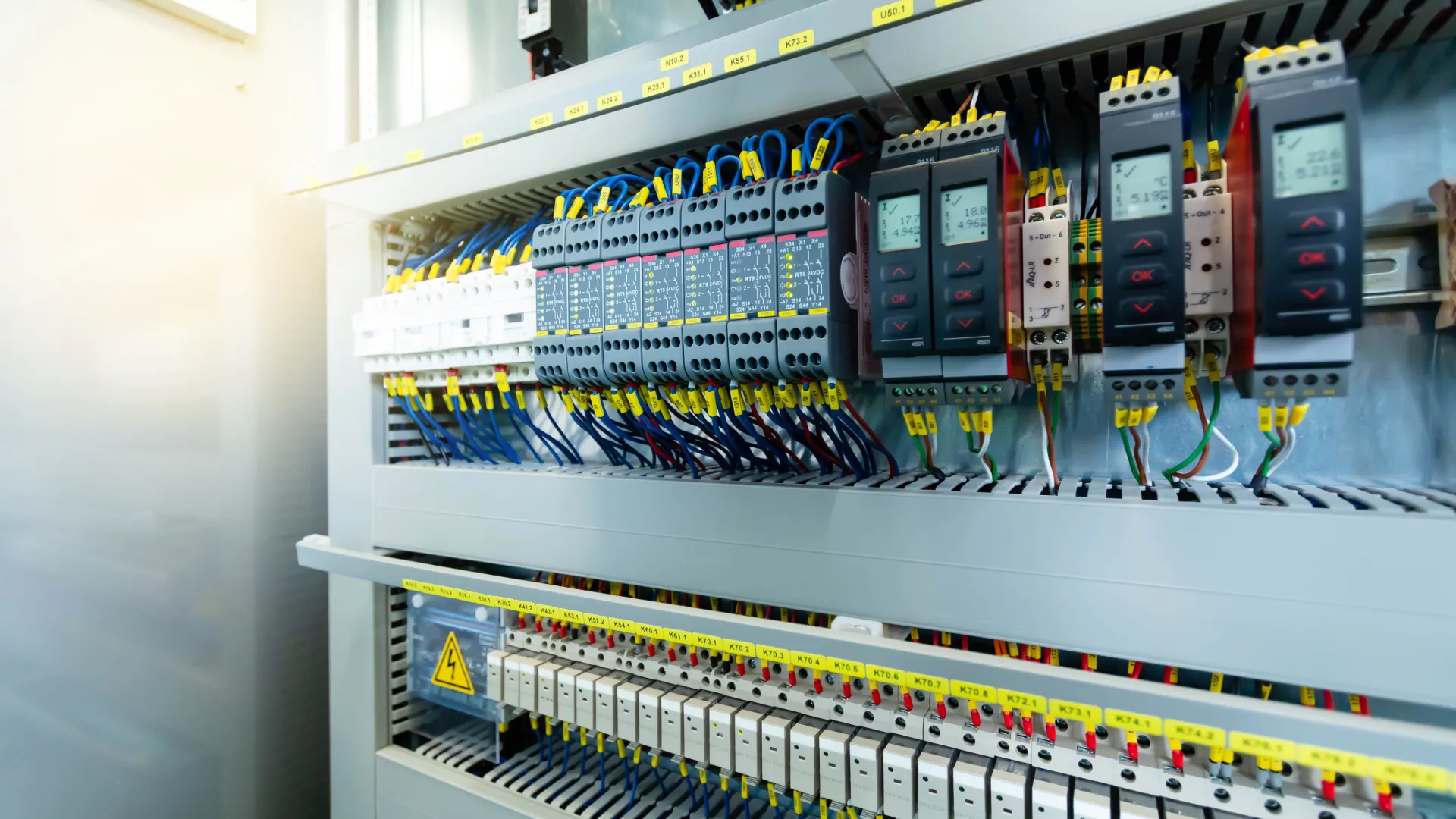
For many manufacturers, automation starts with one process, one production issue or one area where time and efficiency are being lost. It may involve upgrading a control panel, improving a PLC system, adding sensors, or connecting existing equipment in a smarter way.
Small, well-planned improvements can often make a meaningful difference.
How ETL Can Help
At Electric Technics Ltd, automation is approached from a practical industrial perspective.
That means looking at how the site actually operates, where the pressure points are, and what kind of control or automation improvements would genuinely help the business.
Sometimes that may involve PLC upgrades, control panel work, machinery integration, or wider electrical improvements. Other times, it starts with a review of the existing process to understand what is causing delays, faults, or inefficiencies.
The aim is not to overcomplicate the setup. It is to make the system more reliable, more efficient, and better suited to the way the business needs to operate.
A Practical Step Towards a Stronger Operation
More manufacturers are investing in automation because the pressures on production are not going away.
Customers expect consistency. Costs need managing, and skilled labour is valuable. Downtime is expensive. And businesses need systems that can support growth rather than hold it back.
Automation is not always the answer to every problem, but when it is planned properly, it can give manufacturers more control, better visibility, and a more reliable way to move forward.
If your current processes are starting to feel stretched, Electric Technics Ltd can help you explore where automation may make a practical difference.