GET IN TOUCH

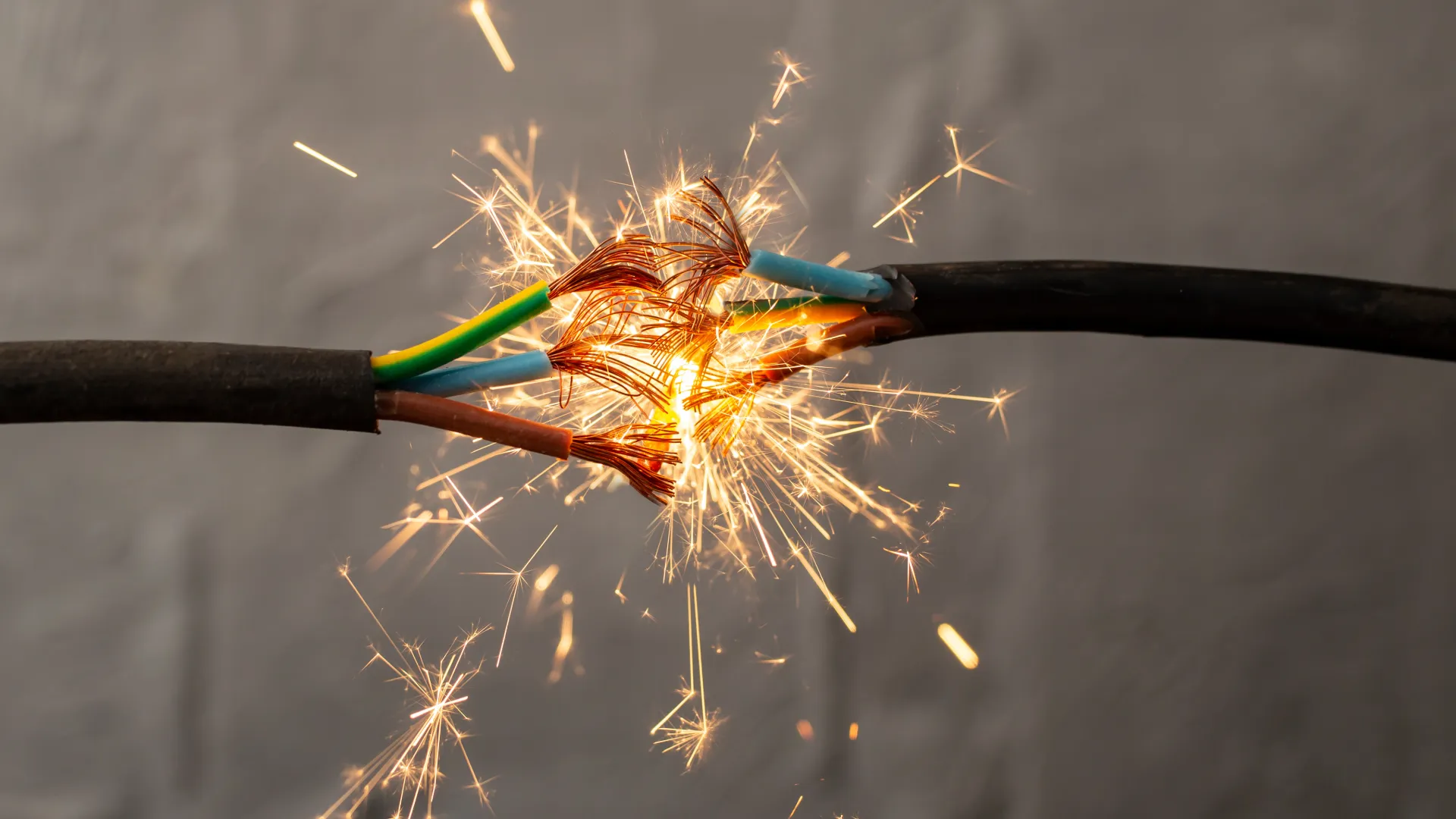
A power surge is a sudden increase in voltage that can affect electrical and electronic equipment connected to an installation. In a workplace, the impact depends very much on what is running at the time and how the electrical system is set up. A damaged computer is inconvenient, but a problem affecting a control panel or part of an automated process can have a much wider effect on the site.
For businesses that depend on this type of equipment, surge protection is worth considering as part of the electrical installation rather than only after something has been damaged. Understanding what can cause a surge and where equipment may be vulnerable is a useful starting point. This blog looks at the causes of power surges, the equipment that may be at risk and the measures businesses can take to help protect their electrical systems.
What Causes Power Surges?
Power surges can come from outside a building or be generated within the electrical installation itself. Lightning is one possible cause, although a direct strike to the premises is not the only way it can affect electrical equipment. Transient overvoltages can also enter an installation through connected power or data lines following nearby lightning activity.
Other surges can originate much closer to the equipment being used. Switching certain electrical loads on or off can create short changes in voltage within an installation. On commercial and industrial sites, where motors, machinery and other electrical equipment may be starting and stopping throughout the working day, this is something that needs to be considered. Problems can also originate from the electricity supply network, which is why identifying the source of a particular event is not always straightforward.
What Damage Can a Power Surge Cause?
A power surge does not always leave behind a completely dead piece of equipment. That can happen, particularly following a more severe event, but electronic components can also be damaged without failing straight away. A machine might continue running, for example, while a power supply or control component has been affected and starts causing problems later.
The disruption can sometimes matter more than the damaged part. If an office computer shuts down at the wrong moment, unsaved work could be lost and files being written at the time may become corrupted. Move into a production environment, and the same issue can have a different impact. Damage to the electronics within a machine or its controls could mean that equipment has to remain out of use until the fault has been found and repaired.
This is why the cost of surge damage is not necessarily limited to buying a replacement component. For some businesses, getting the affected equipment working again is only part of the problem. Production time or access to systems may already have been lost in the meantime.
Which Equipment Could Be Affected?
Modern workplaces can contain a surprising amount of equipment that relies on sensitive electronics. Computers, servers, network switches and CCTV systems are obvious examples in an office or commercial building. On an industrial site, that list can extend to variable speed drives, machinery controls, sensors and other electronic equipment used to keep processes running.
PLCs and control systems are also worth considering because their role often extends beyond the individual device. A PLC may be responsible for controlling part of a machine or production process, so damage to the controller could prevent otherwise operational equipment from being used. The same applies to control panels containing electronic components that machinery depends on.
It is therefore useful to look at risk in terms of what the equipment actually does for the business. A relatively small electronic component may not be the most expensive item on site, but if other equipment cannot operate without it, its failure can quickly become a much bigger problem.
How Surge Protection Devices Can Help
A Surge Protection Device, or SPD, is designed to limit transient overvoltages before they reach equipment further along the electrical installation. During normal operating conditions, the device effectively sits in the background. If a surge occurs, it provides a path for the surge current to be diverted, while limiting the voltage that reaches connected equipment.
SPDs can be installed at different points within an electrical installation, depending on the system and the equipment being protected. This matters on commercial and industrial sites where sensitive electronics may be spread across different areas or form part of larger machinery and control systems.
Surge protection does not mean that electrical equipment can never be damaged. The type of SPD, where it is installed and the characteristics of the electrical installation all need to be considered. For that reason, surge protection should be selected around the site and its electrical system rather than treated as a one-size-fits-all product.
Taking a Preventative Approach
Surge protection is easier to consider before equipment has been damaged than after a failure has already stopped part of the business. A useful starting point is to look at what equipment the site depends on and what would happen if it suddenly became unavailable. This can help identify where additional protection may need to be considered.
It is also worth revisiting surge protection when changes are made to the premises. New machinery, control equipment or IT infrastructure can alter what is connected to an existing electrical installation, while older sites may have been adapted several times since the original system was installed. Electrical upgrades provide a good opportunity to review the protection already in place and whether it remains suitable for how the site is now being used.
For businesses where downtime affects production or access to important systems, taking this approach can help avoid waiting for equipment failure to expose a weakness.
Protecting Critical Equipment with Electric Technics Ltd
For many businesses, the real concern with a power surge is what happens afterwards. Losing a computer is inconvenient, but losing a control system or a piece of equipment that other parts of the site depend on can quickly cause wider disruption.
Electric Technics Ltd can review the surge protection already in place and look at it alongside the equipment being used across the premises. If additional protection or electrical work is needed, this can then be planned around the site and its day-to-day operation.
If you are unsure what surge protection you currently have, or you are adding new equipment and want to review your electrical system, speak to our team at ET-L.