GET IN TOUCH

When Small Issues Start to Feel Normal
Walk around most industrial sites, and at first glance, everything looks fine. Machines are running, lights are on, production is ticking along. No obvious problems.
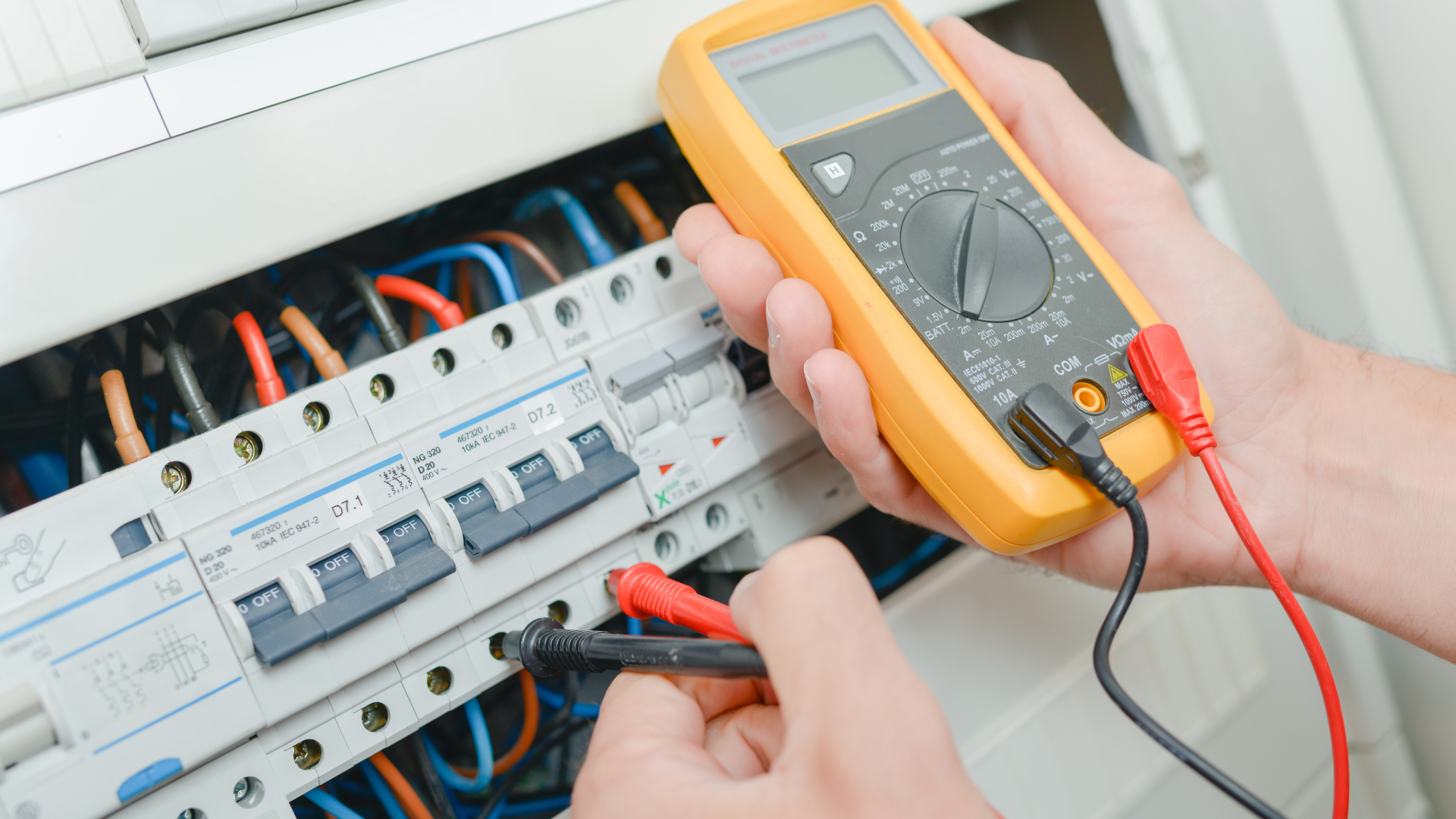
But look a little closer, and you’ll often spot the same things cropping up. A cable that’s been “temporarily” routed across a walkway. A distribution board that’s a bit more crowded than it should be. A control panel that no one’s quite sure how to isolate properly anymore.
Individually, none of these feels urgent. Together, they can point to something worth paying attention to.
Systems That Have Grown Over Time
One of the most common patterns is an electrical infrastructure that’s evolved bit by bit.
A new machine gets added. Then another. Circuits are extended, panels are adapted, and what started as a clean installation becomes more complex over the years.
In reality, this is completely normal. Businesses grow, and systems need to keep up. The issue is that the electrical capacity and layout don’t always get reviewed in line with those changes.
So you end up with distribution boards running closer to their limits than intended, or cable routes that are harder to trace than they should be. It still works. Until it doesn’t.
Temporary Fixes That Stick Around
Most sites had a situation where something needed sorting quickly.
A temporary supply is run. A quick fix gets things moving again. Production continues, which is the priority at the time.
The problem is that those temporary solutions often stay in place far longer than expected.
Over time, they become part of the system. And because they weren’t designed as a long-term solution, they can introduce risks that aren’t obvious day to day.
It’s not unusual to see temporary wiring, extension leads, or modified connections quietly doing a permanent job.
Control Panels That No Longer Reflect Reality
Control panels are often the centre of industrial electrical systems, but they don’t always keep pace with changes on site.
Machines get updates. Processes change. Additional controls are added,. But the panel itself might not be re-labelled or documented properly and that’s where things can get tricky.
If a panel doesn’t accurately reflect what it controls, isolating equipment safely becomes harder. Fault-finding takes longer. And in the worst case, someone could be working on a system they don’t fully understand.
It doesn’t take much for things to become unclear, especially on sites that have seen years of gradual change.
Environmental Wear and Tear
Industrial environments aren’t gentle on electrical systems.
Dust builds up. Moisture finds its way to places it shouldn’t. Vibration from machinery can loosen connections over time. Temperature changes can also have an impact, particularly in areas with heavy equipments. None of this happens overnight. It’s gradual.
But over time, these factors can affect how reliability systems operate. Connections can degrade, components can wear faster than expected, and small issues can start to appear more frequently.
Equipment That’s Still Working … Just
There’s often a belief that if something is still running, it must be fine.
And in many cases, older equipment does continue to perform well. But that doesn’t always tell the full story.
Components become harder to source. Protective devices may not meet current standards. And systems that were designed years ago might now be operating under very different conditions.
So, while everything appears to be working, it may be doing so with less margin for error than intended.
The Small Warning Signs
Electrical systems rarely fail without some kind of early indicator.
It might be a breaker that trips occasionally for no clear reason. A panel that feels warmer than expected. Machinery that needs the odd reset more often than it used to.
Sometimes it’s just a feeling that sometimes isn’t quite right.
These signs are easy to ignore, especially when production needs to keep moving. But they’re often the first hint that something behind the scenes needs attention.
Why These Risks Tend to Get Overlooked
For many businesses, electrical systems sit in the background. If they’re not causing problems, they don’t get much attention, which makes sense.
The focus is usually on the output and keeping things running. Electrical infrastructure only really becomes a priority when something stops working.
But most of the risks mentioned here don’t appear suddenly. They build up slowly, often without interrupting operations until much later. That’s why they’re easy to miss.
Where a Fresh Set of Eyes Helps
Sometimes the biggest value comes from simply having someone take a step back and look at the bigger picture.
Not just whether things are working, but hoe they’ve been putting together over time. Whether capacity still matches demand. Whether panels and systems are as clear to work on as they should be.
This is where companies like Electric Technics Ltd tend to get involved.
It’s less out pointing out faults and more about understanding how a site has evolved, then highlighting anything that could cause issues down the line.
Often, the outcome isn’t a major overhaul. It’s small adjustments, clearer documentation, or simply confirming that everything is in a good place.
A Quick Check can go a Long Way
Most industrial sites will recognise at least one or two of these situations.
That doesn’t mean there’s an immediate problem. But it does suggest it’s worth taking a closer look as some point, rather than waiting for something to force the issue.
Electrical systems don’t usually demand attention. They just quietly support everything else, until they don’t.
If anything here sounds familiar, it might be a good time to review how your systems have developed over the years. Even a simple assessment can give you a clearer picture of where things stand and whether any small changes could make a difference.