GET IN TOUCH

September 16, 2025
5 Key Signs Your Electrical Control Panel Needs Replacing in the UK
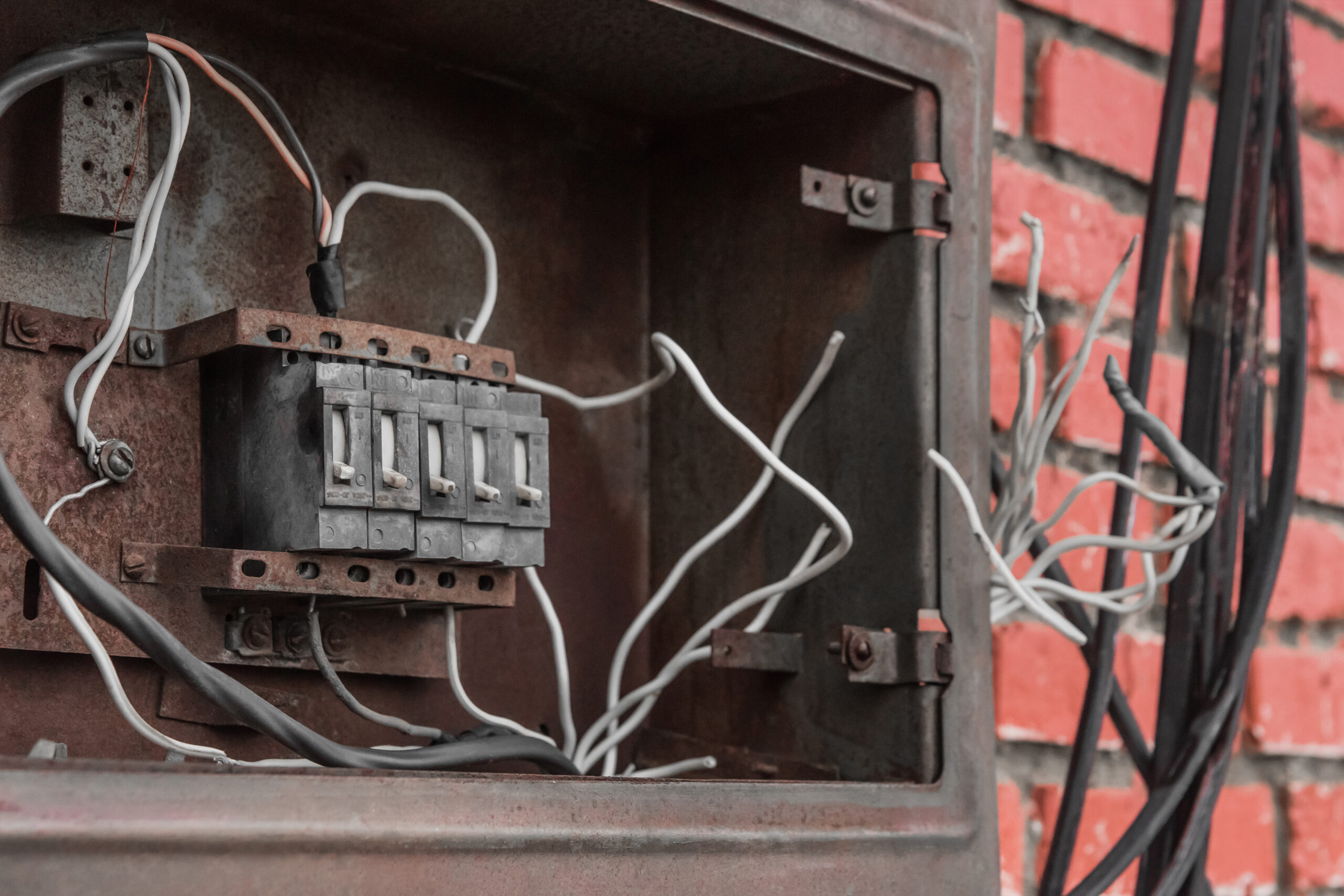
How do I tell when my Control Panel needs replacing?
In the hustle and bustle of modern living, the electrical control panel in our homes or offices rarely gets a second thought until something goes awry. Here’s your essential guide to the top 5 signs that your electrical control panel may be nearing end of life.
1. Your Panel Doesn’t Use Modern Circuit Breakers
If you’re strolling down memory lane every time you open your fuse box, it might be time for an upgrade. Fuse boxes have now been overtaken by circuit breakers, which automatically cut off power during an overcurrent and prevent fire hazards, which is a modern-day essential. Without these, you’re dialling up the risk metre for potential electrical mishaps.
If you’re unsure whether your current setup meets modern safety standards, consider seeking advice from a control panel expert.
2. Frequent Circuit Breaker Tripping
If you notice your Control Panel Circuit Breaker tripping frequently, you’ve got a problem on your hands. Overloading, malfunctioning, or deteriorating components like faulty breakers, loose connections, or dodgy insulation could be to blame.
3. Panel is Old, Corroded, or Rusted
An electrical panel showing signs of corrosion or rust is a sign that it’s past its prime. Not only is it a visual travesty, but it’s also a potential electrical hazard. Generally speaking, if your panel has been around for more than 25-40 years, it should take a graceful exit.
4. Visible Signs of Damage or Wear
Keep your eyes peeled for any unsightly wires or loose connections. Cracks, burns, or damaged wiring are more than just blemishes; they signal that internal components are failing and that the panel’s reliability is on its way out.
Checklist for Signs of Wear:
- Cracked or Burnt Wiring
- Loose Connections
- Frequent Unexpected Faults
If this sounds familiar, it’s time to show your panel the exit. For repairs or replacement, contacting control panel experts can ensure your system is safe and up to date.
5. Insufficient Capacity for Increased Electrical Load
Whether you’ve added new appliances or upgraded systems, an older panel might struggle to keep pace with your ever-growing demand, which is a dangerous recipe for overloads.
When modern conveniences stress an outdated panel, a replacement isn’t just practical, it’s a necessary decision.
Pro Tip:
With the relentless march of technology, planning for tomorrow isn’t just wise, it’s essential. Look at panel features that accommodate your expanding musings on smart home wizardry. For advanced solutions like this, you might explore tailored options in control panels design services.
Bonus Insights
Electrical Panel Lifespan
Panels generally roll with the punches for 25-40 years. Past this age, replacements become a more sensible and fiscally savvy route than repairs.
Preventive Maintenance Tips
To elongate your panel’s lifespan, call in control panel technicians for routine check-ups at least every three years. Tightening loose connections, insulation testing, and regular cleaning of the panel’s interior can do wonders in dodging potential calamities.
How can I tell if my electrical control panel is outdated?
A: Older than 25 years? Using fuses instead of breakers? Frequent tripping? Visible damage or rust? If any of these bring a nod, then yes, it’s dated.
When to Call Professionals
Your panel showing signs of distress is not a cue for a DIY escapade. Call in a licensed electrician for anything like corrosion or damage. They come armed with the tools and wisdom to make expert recommendations, ensuring your safety doesn’t take a backseat.